






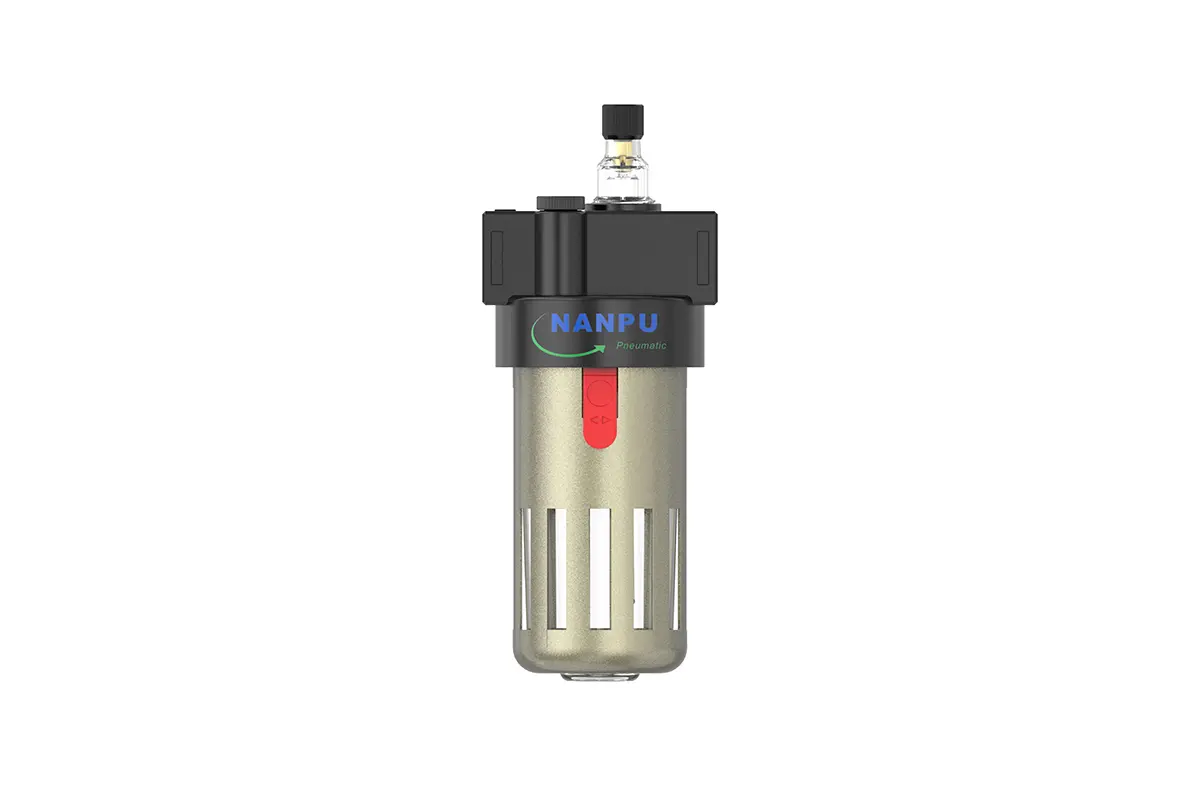
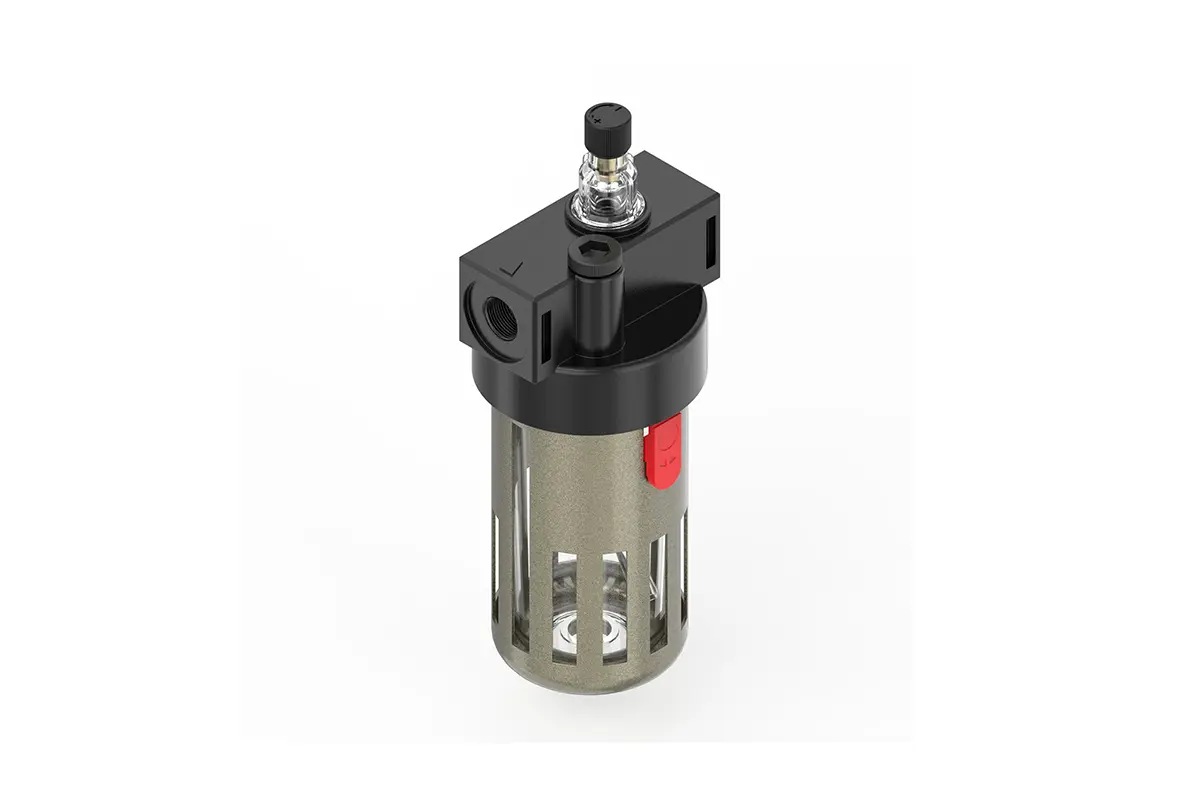
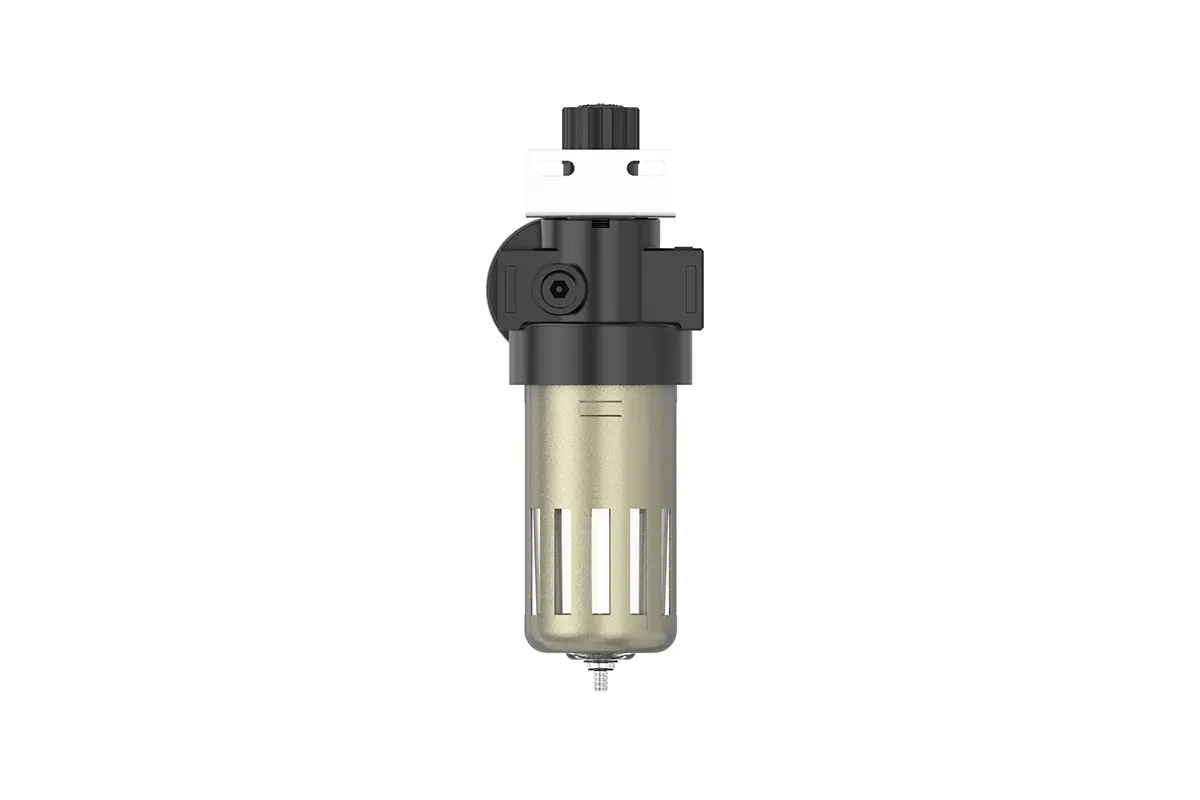
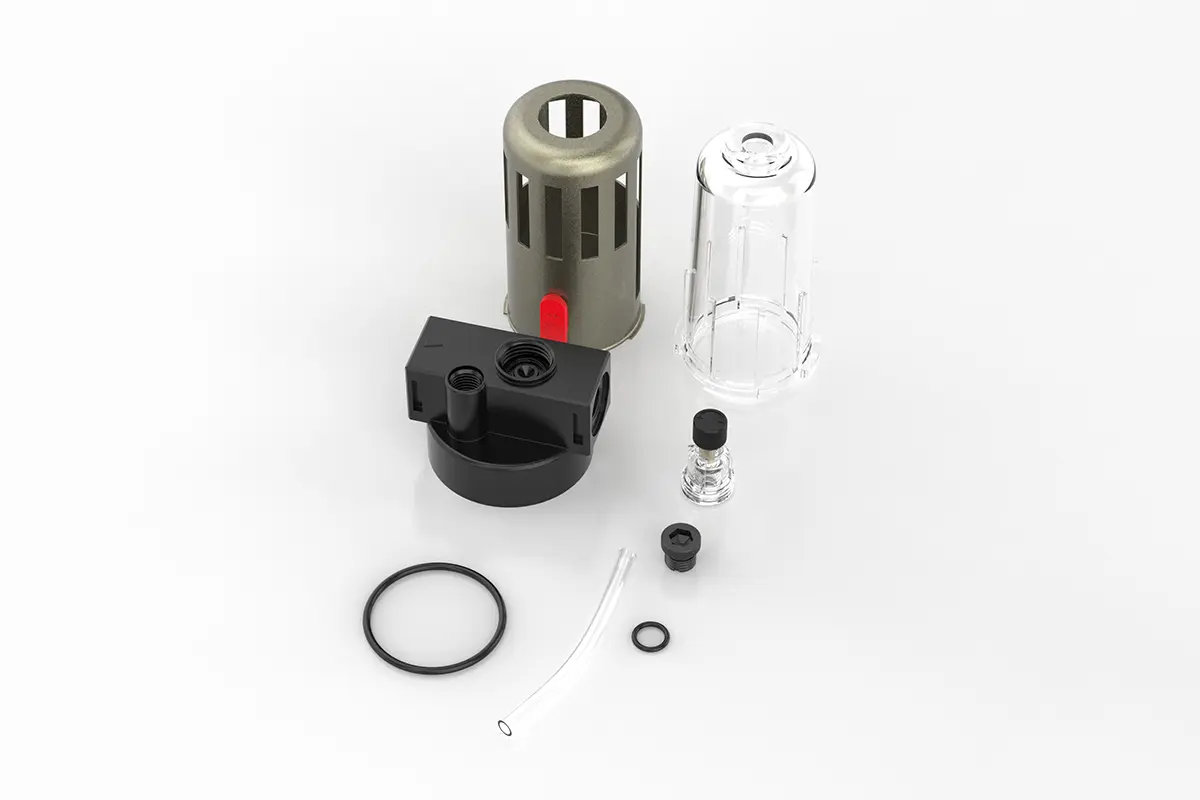
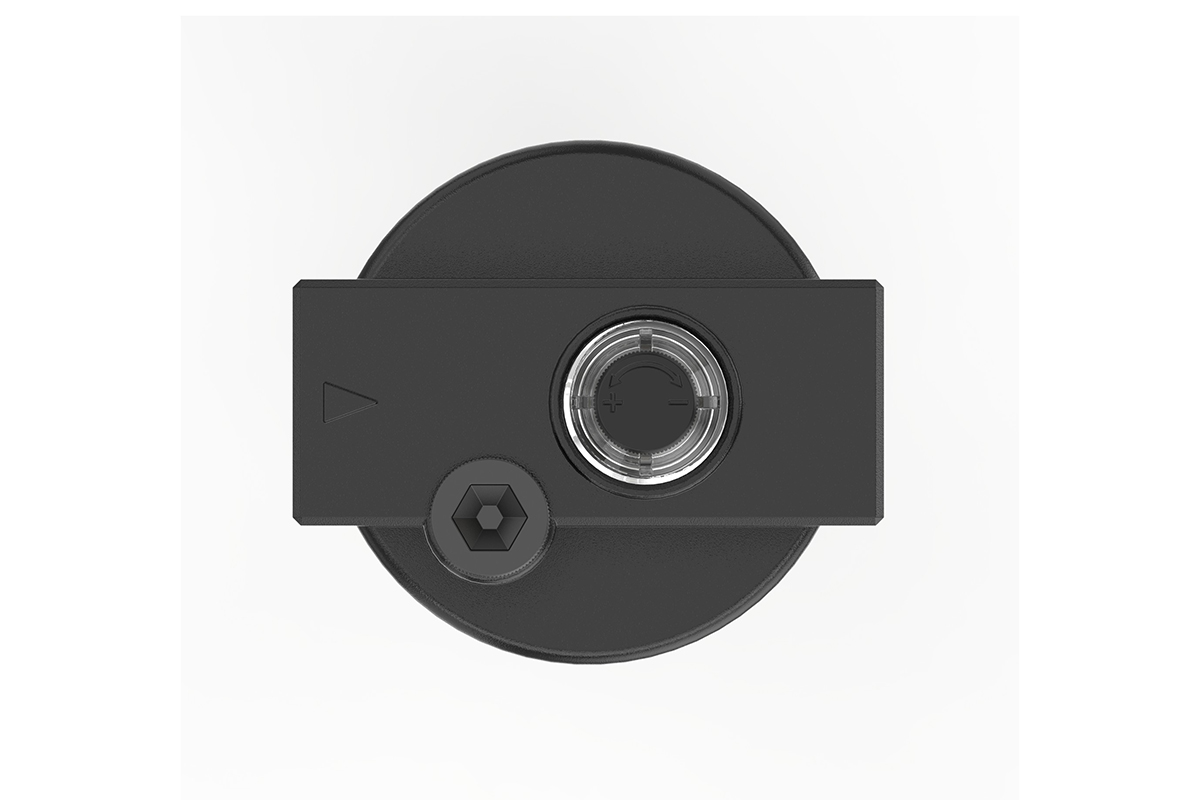
BL2000/BL3000/BL4000 1/4" 3/8" 1/2" AR Air Lubricator
description1
BL2000/BL3000/BL4000 1/4" 3/8" 1/2" AR Air Lubricator
BL2000/BL3000/BL4000 1/4" 3/8" 1/2" AR Air Lubricator
NANPUAL2000 1/4" AR Air Lubricator
| BL | 2000 | BSP | |
| Series Number | Body Size | Port Size | Thread Type |
| 2000 | 1/4" | BSP | |
| 3000 | 3/8" | NPT | |
| 4000 | 1/2" | PT |
NANPUTechnical Specifications
| Model | Specification |
| AL2000 | 650 |
| BL2000 | 1400 |
| BL3000 | 1400 |
| BL4000 | 1400 |
| Max Input Pressure | 1.0Mpa{10.2kgf/cm²} /145Psi |
| Max Operating Pressure | 1.0Mpa{10.2kgf/cm²} /145Psi |
| Temperature Range | -5~60℃ |
| Pressure Range | AL/BL 0.05~0.85Mpa(0.51~8.7kgf/cm² )/0~125Psi |
| Bowl Material | Polycarbonate |
| Suggested Oil | Turbine Oil No. 1 ISO-VG32 |
All calibration assemblies must be fabricated and assembled in strict compliance with the maximum flow rate specifications outlined in the technical documentation. This adherence is critical for ensuring the system's optimal performance, efficiency, and operational reliability. Strict compliance with these specifications during assembly ensures the system operates within specified parameters, minimizing the risk of inefficiencies or malfunctions resulting from non-compliance with maximum flow requirements.
To regulate the oil feed rate, rotate the needle valve. A clockwise rotation—corresponding to the "+" direction indicated on the valve—will incrementally increase the oil feed rate. This adjustment facilitates faster oil intake, which may be necessary to optimize lubrication under specific operating conditions. Conversely, rotating the needle valve counterclockwise (the "−" direction) will gradually decrease the oil feed rate. Sustained rotation in this direction can ultimately halt the oil feed process. This precise control mechanism allows operators to fine-tune oil flow to the system’s precise requirements, ensuring efficient operation and preventing over-lubrication or under-lubrication—both of which can lead to equipment wear, inefficiency, or failure.
To commence the refueling procedure, rotate the refueling screw clockwise to open the access port for lubricant insertion. It is imperative to exercise caution and ensure that the volume of oil introduced into the reservoir bowl does not exceed 80% of its total capacity. This critical threshold is established to prevent overfilling, which may result in oil spillage during system operation, potential contamination of the surrounding environment, and interference with the proper functioning of associated components.