






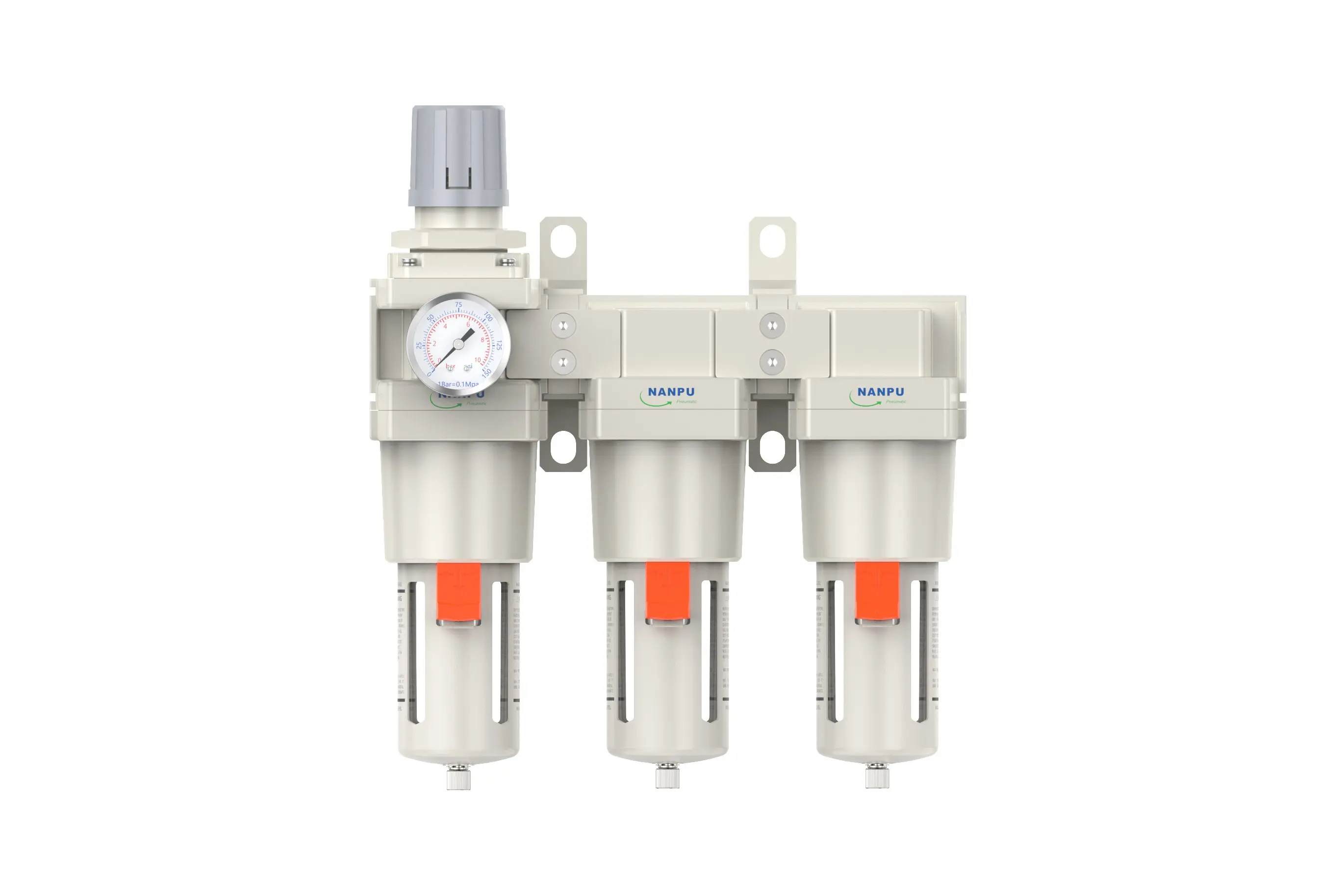
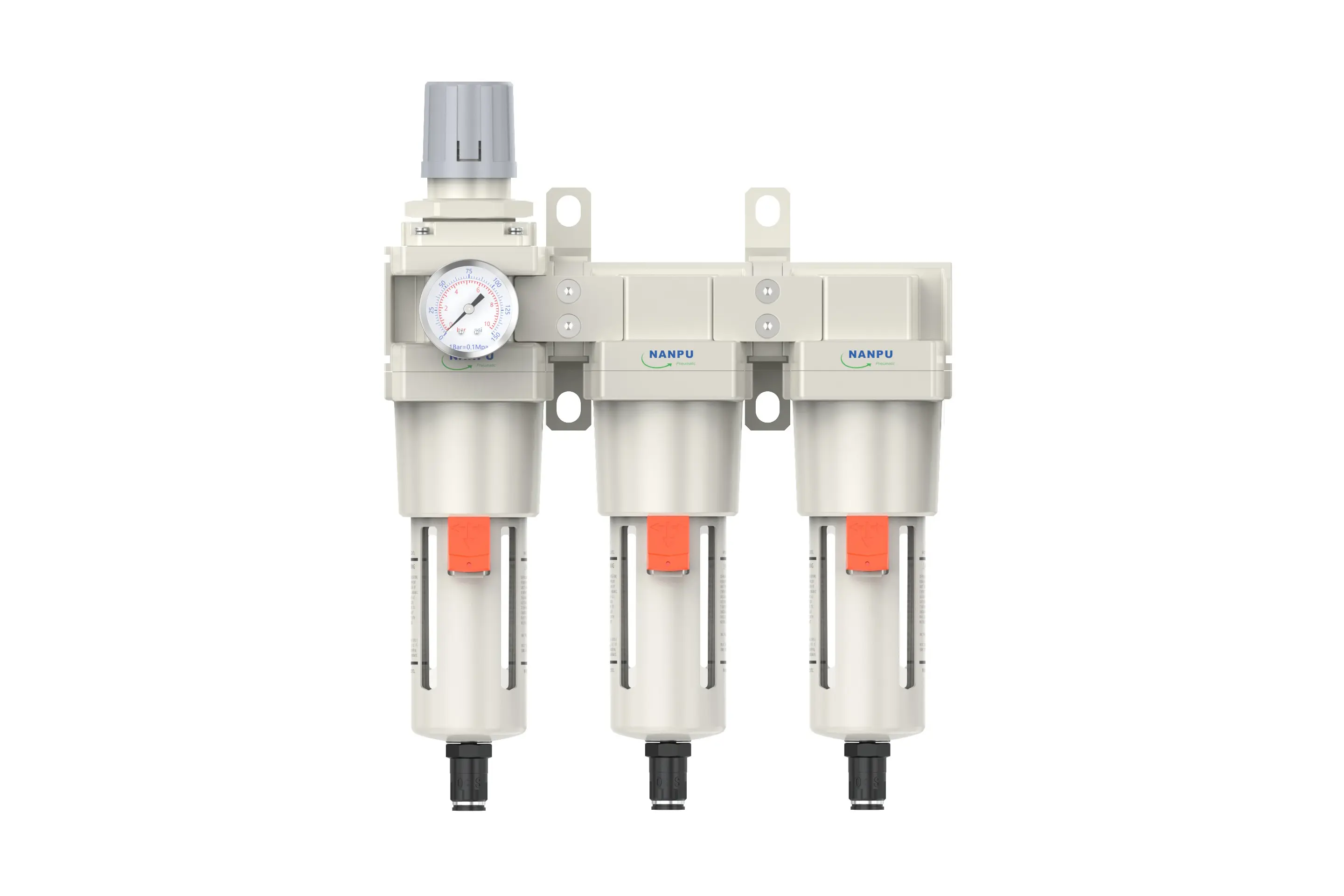
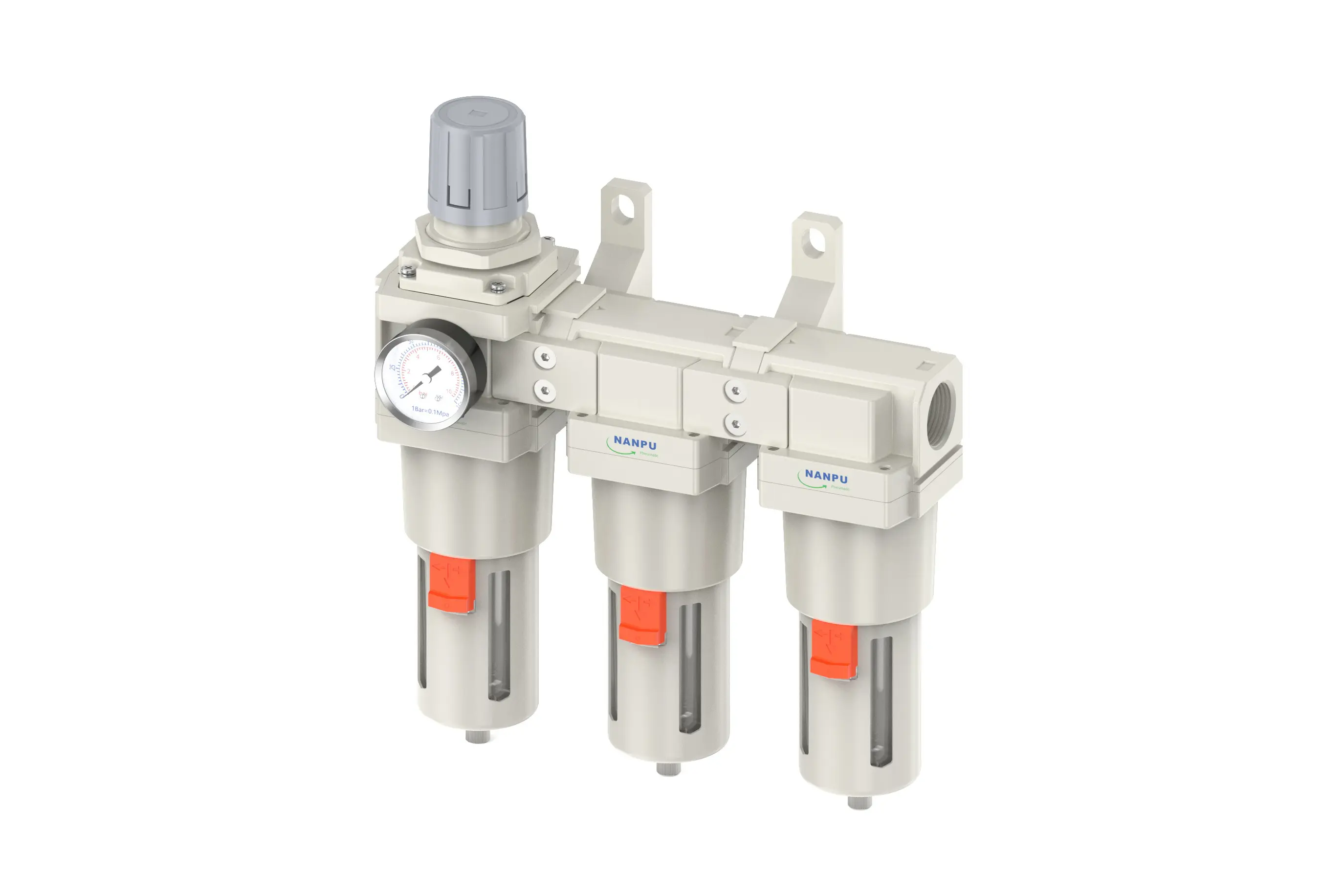
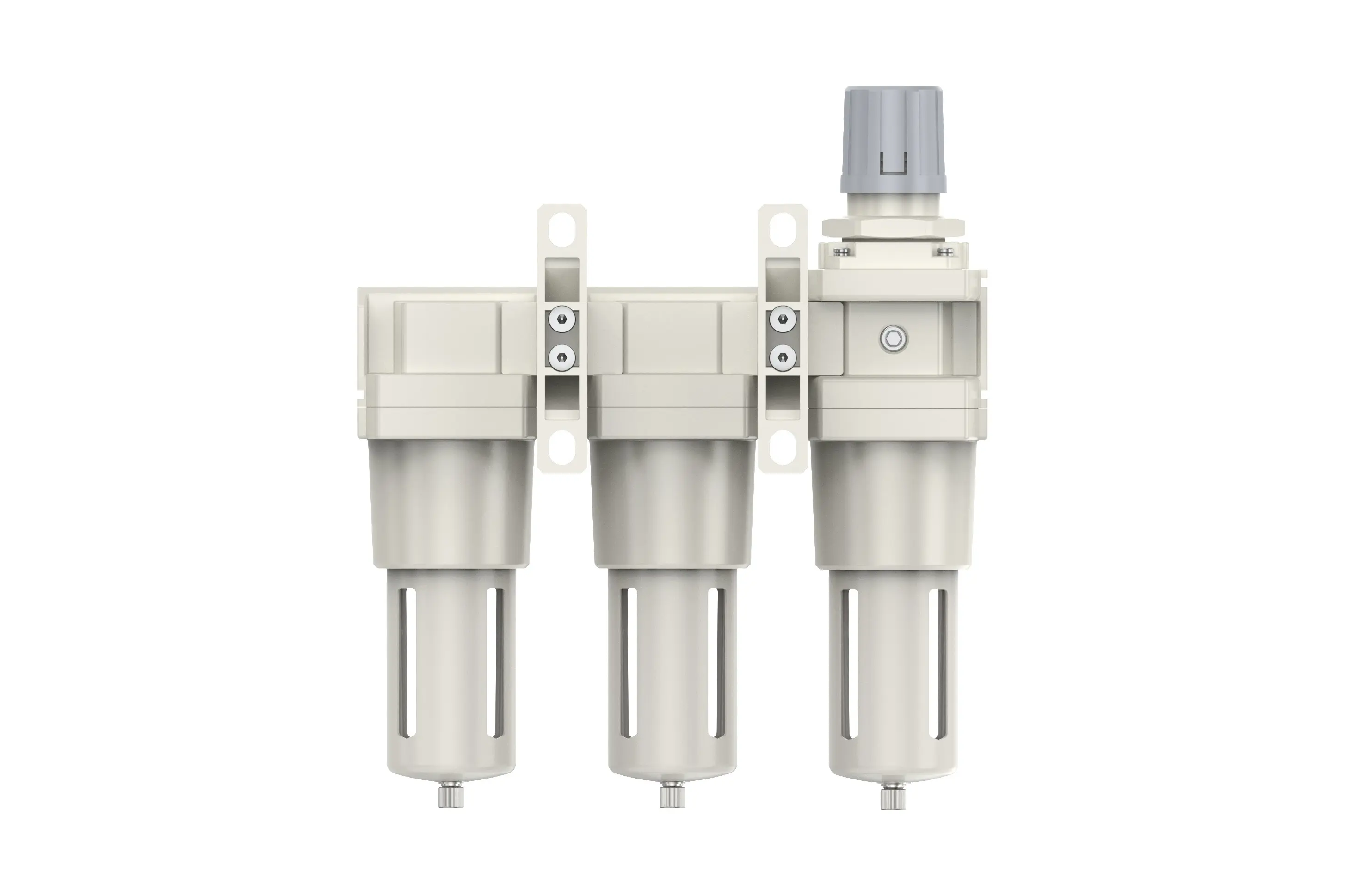
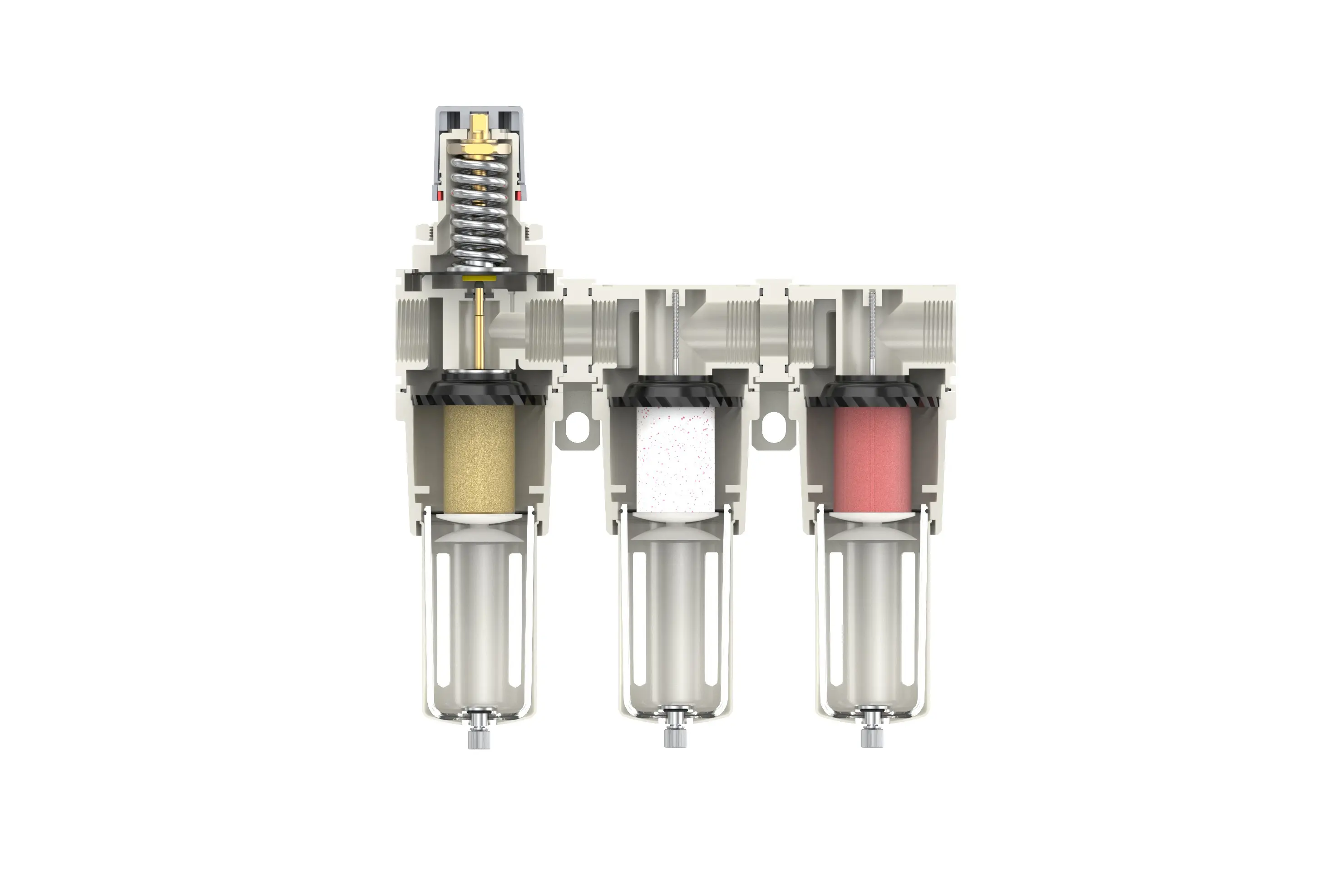
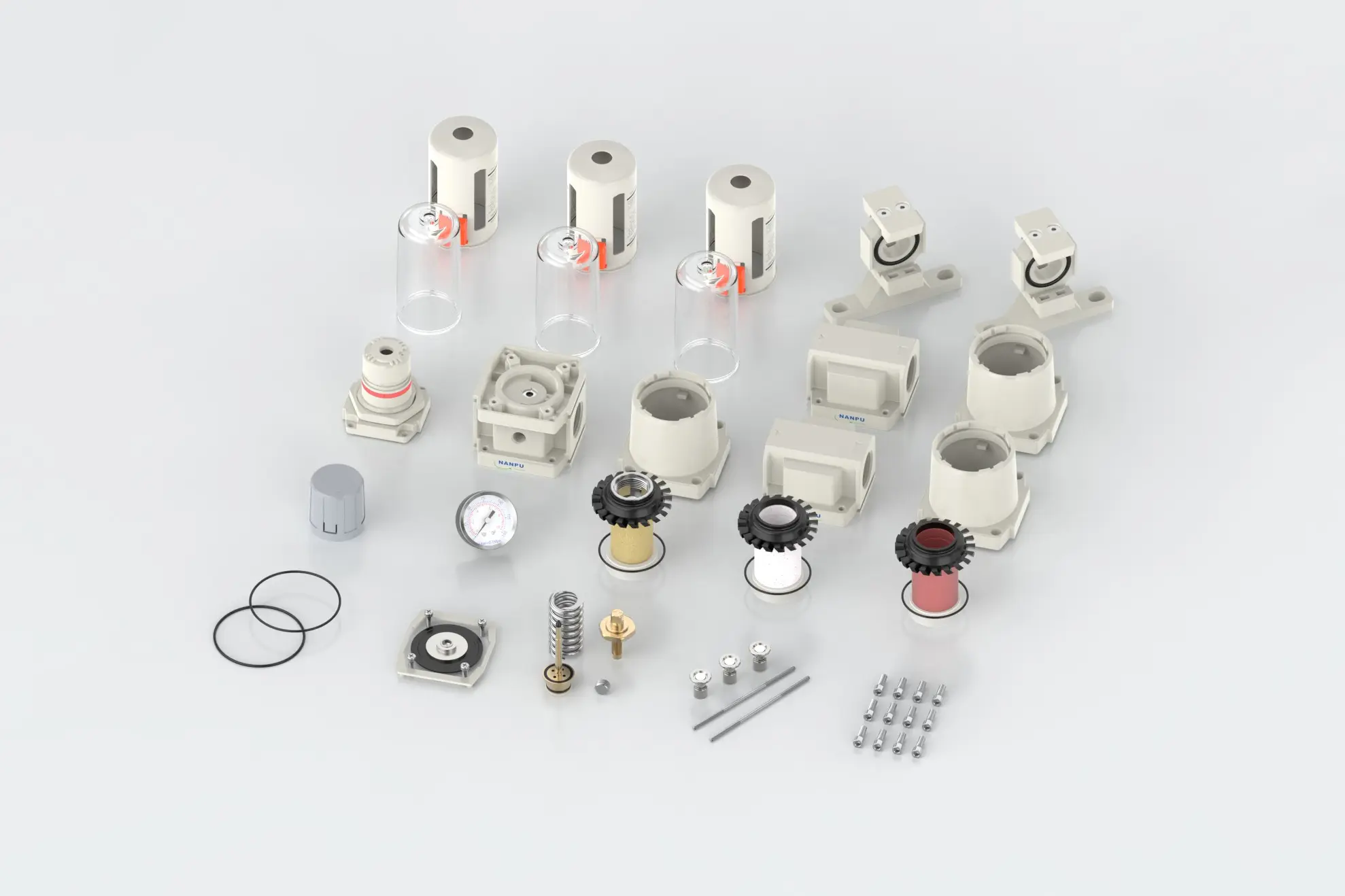
AWFF5010-06 3/4" AWFF5010-10 1"AWFF Air Drying System Manual Drain&Auto Drain
description1
AWFF5010-06/AWFF5010-10
Manual Drain AWFF5010-06/AWFF5010-10 Portsize:1" Air Drying System
Auto Drain AWFF5010-06D/AWFF5010-10D Portsize:1" Air Drying System
NANPUAWFF5010-06/AWFF5010-10
| AWFF | 2010 | 02 | BSP | D |
| Series Number | Body Size | Port Size | Thread Type | Drainage Method |
| 2000 | 02:1/4" | BSP | Blank: Differential Pressure Drain | |
| 3000 | 03:3/8" | NPT | A: Manual Drain | |
| 4000 | 04:1/2" | PT | D: Auto Drain | |
| 4000/5000 | 06: 3/4" | |||
| 5000 | 10: 1" |
NANPUTechnical Specifications
| Model | Model | |
| Manual Drain | Auto Drain | (L/min)Rated Flow Rate |
| AWFF2010-02 | AWFF2010-02D | 500 |
| AWFF3010-02 | AWFF3010-02D | 2000 |
| AWFF3010-03 | AWFF3010-03D | 2000 |
| AWFF4010-04 | AWFF4010-04D | 4000 |
| AWFF4010-06 | AWFF4010-06D | 4500 |
| AWFF5010-06 | AWFF5010-06D | 5000 |
| AWFF5010-10 | AWFF5010-10D | 5000 |
| Max Input Pressure | 1.2Mpa{12.24kgf/cm²} /174.04Psi |
| Max Operating Pressure | 1.0Mpa{10.2kgf/cm²} /145Psi |
| Temperature Range | 5~60℃ |
| Filtration Accuracy | 0.01μm, 5μm, 40μm |
| Bowl Material | Polycarbonate |
| Bowl Guard | AC2000(None) AC3000~5000(YES) |
| Pressure Range | AC2000~5000/0.05~0.85Mpa(0.51~8.7kgf/cm² )/0~125Psi |
1. Preparation
All calibration components must be assembled to precisely meet the specified maximum flow capacity. Prior to installation, it is essential to thoroughly clean all ports and fittings. This meticulous cleaning process is crucial for preventing the introduction of dust and debris into the air pathway, thereby maintaining the integrity and optimal performance of the system.
2. Pressure Adjustment
Initiate the pressure adjustment procedure by lifting the knob of the pressure gauge. Subsequently, perform rotational adjustments: a clockwise rotation will effect a gradual and consistent increase in pressure, while a counterclockwise rotation will result in a corresponding decrease. Once the desired pressure value is attained, immediately cease rotation and securely fasten the knob. Failure to lock the knob in place can lead to pressure leakage, potentially compromising system integrity and operational safety.
3. Dial Reading
The 5 - micron brass filter element exhibits outstanding filtration efficacy, providing an extended service life and the practicality of reuse, thereby enhancing cost - effectiveness and sustainability.
The 0.5 - micron and 0.01 - micron filter elements are engineered with advanced technology to efficiently eliminate minute impurities, ensuring the delivery of highly purified air.
The drainage column is equipped with a self - activating mechanism. In the absence of pressure, it automatically initiates the drainage process; conversely, it seals shut when air flow is present. When the water level exceeds the predefined threshold, immediate drainage is required to maintain optimal dehumidification performance. Failure to do so may result in reduced efficiency and potential system malfunctions.
4. Drainage
The drainage column is outfitted with a self - actuating mechanism. In the absence of pressure, it automatically initiates the discharge of accumulated liquids, and it seals shut upon the passage of air flow. When the water level reaches or exceeds the maximum allowable level, immediate drainage is mandatory; failure to do so will lead to suboptimal dehumidification performance.
The connector on the drain head is designed for the attachment of an air hose. It offers the flexibility to be detached or reattached as per specific operational requirements, facilitating convenient system configuration and maintenance.
It is highly recommended to employ a wrench for tightening the fittings to ensure a leak - proof connection. During the initial installation, an air expulsion phenomenon may occur. This is not indicative of a leakage issue; rather, it results from the pressure differential between the internal system and the external environment, necessitating the release of excess air. In such situations, it is advisable to allow sufficient time for the system to stabilize. Once the system has equalized, it will operate efficiently as designed.